A New Era of Business-Centric Real Estate
The way companies view real estate is changing. Today, organizations are not looking for one-size-fits-all buildings; they want spaces that genuinely work for them. In a time when efficiency, technology, and brand identity are crucial, the ability to create a workspace from scratch offers a major competitive edge. This is why commercial property is the future of custom business spaces, providing flexibility, precision, and long-term value that pre-built facilities cannot match.
As developers and business owners, we’ve experienced this shift firsthand. From logistics hubs to tech campuses, the demand for tailored environments is reshaping the commercial real estate sector. Businesses seek facilities that align with their workflow, boost productivity, and reflect their culture, this is precisely what build-to-suit developments provide.
Build-to-suit projects have evolved beyond a construction strategy; they represent a partnership between vision and execution, allowing companies to create the exact space they need to thrive.
Understanding Build-To-Suit Commercial Property
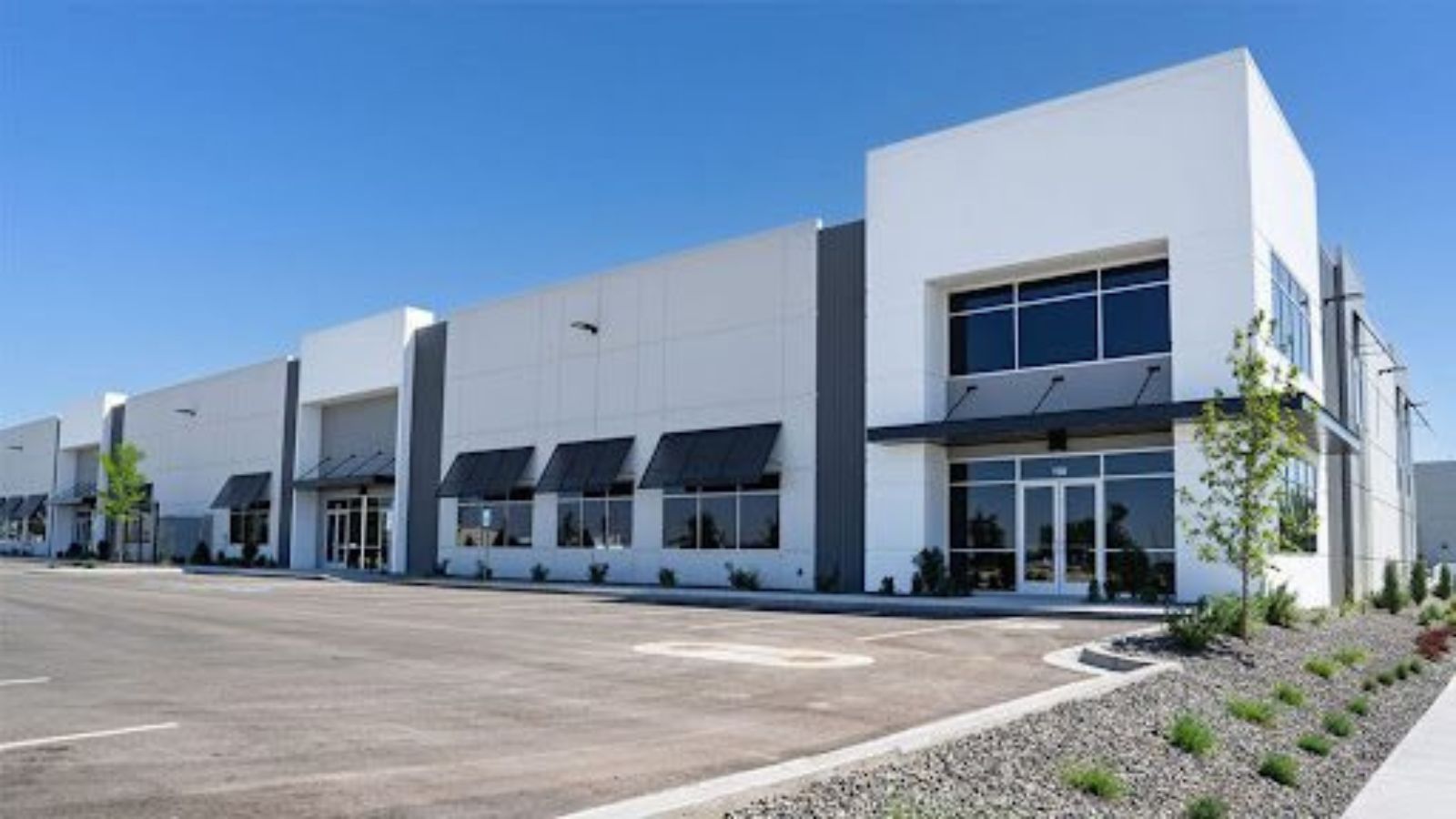
At its core, a build-to-suit commercial property is designed and constructed specifically for a tenant’s operational needs. Instead of modifying an existing building, the developer works closely with the tenant to plan, design, and deliver a facility that fits their goals perfectly.
This approach contrasts with conventional leasing or buying, where businesses often have to adapt outdated spaces leading to extra costs and downtime. In a build-to-suit model, every detail, from ceiling height to dock placement, office layout, and energy systems, is designed with precision.
The process typically involves close collaboration among:
- Developers, responsible for land acquisition and construction.
- Architects and Engineers, who bring the tenant’s vision to reality.
- Tenants, who set priorities for design and functionality.
Industries like logistics, manufacturing, healthcare, and technology have benefited significantly from this model. For example, an e-commerce company may need extra loading bays and automation space, while a healthcare provider might prioritize sterile environments and patient flow.
The main advantage? Every square foot is purposeful.
The Growing Popularity of Custom-Built Commercial Spaces
More businesses recognize that customized spaces can directly influence performance. Standard layouts may seem cost-effective initially, but they rarely meet specific operational needs over time.
Here’s what’s behind the rising demand for build-to-suit spaces:
- Operational Efficiency: Tailored floor plans enhance workflow and minimize downtime.
- Brand Alignment: A custom facility mirrors a company’s identity and culture.
- Technology Integration: Businesses can plan for future automation and connectivity.
- Sustainability: Purpose-built systems reduce waste and environmental impact.
By focusing on customization, companies gain not just a building but a tool for lasting success. In our experience, businesses that invest in build-to-suit developments often see improved logistics, lower energy use, and heightened employee satisfaction—evidence that thoughtful design pays off.
Advantages of Build-To-Suit Developments
a. Tailored Design and Functionality
A build-to-suit project begins with a deep understanding of a company’s operations. We collaborate closely with clients to ensure the design supports their production flow, storage requirements, safety needs, and future expansion plans.
This personalized approach allows businesses to:
- Integrate automation and advanced technology from the start.
- Add sustainability features like solar panels and smart HVAC systems.
- Optimize layout for better space use and employee efficiency.
The result is a facility that boosts performance while reducing wasted space and resources.
b. Long-Term Cost Efficiency
While build-to-suit developments require upfront planning, they often save substantial money over time. Custom designs lessen the need for future renovations or costly modifications, while predictable lease or ownership structures simplify financial planning.
Long-term cost benefits include:
- Fewer construction surprises or change orders.
- Lower maintenance due to modern materials and systems.
- Stable operating costs aligned with business growth.
- For growing companies, cost predictability is crucial.
c. Strategic Location Planning
Choosing a site that matches business goals is one of the biggest advantages of the build-to-suit model. We help clients assess locations based on logistics, workforce access, and proximity to suppliers or customers.
Whether it’s near major highways in Boise or distribution corridors in the Treasure Valley, location planning ensures businesses are strategically positioned for future growth.
d. Ownership and Control Options
This model also offers flexibility. Businesses can choose to lease the space through a long-term agreement or own it outright. Both options provide stability and control, leasing keeps capital free for other investments, while ownership builds long-term equity.
How The Build-To-Suit Process Works
Creating a build-to-suit facility involves a collaborative and structured process to ensure transparency and success.
- Initial Consultation & Space Planning: We begin by understanding the tenant’s objectives, operations, and long-term vision. This phase includes feasibility analysis and high-level design discussions.
- Site Selection & Due Diligence: Our team identifies and evaluates potential sites, considering accessibility, zoning, and infrastructure readiness.
- Design & Construction: Once a site is chosen, architects and engineers turn requirements into blueprints, and construction starts with strict timelines and quality standards.
- Delivery & Post-Construction Support: After completion, tenants move into a fully customized, operational facility. Ongoing maintenance and management support ensure performance and longevity.
Each stage is guided by open communication and a shared vision, because the best buildings come from collaboration, not just concrete.
The Economic And Operational Benefits
Purpose-built spaces provide measurable advantages that go beyond architecture. Companies that invest in build-to-suit developments often experience direct improvements in efficiency, morale, and profitability.
Economic and operational benefits include:
- Increased Productivity: Facilities designed around specific workflows cut down inefficiencies.
- Reduced Downtime: Custom infrastructure means less need for constant adjustments or updates.
- Lower Maintenance Costs: New systems and materials enhance longevity and performance.
- Tenant Retention: Long-term leases offer stability for both tenants and landlords.
- Investor Confidence: Build-to-suit properties attract investors looking for stable and predictable returns.
Ultimately, when businesses thrive in purpose-built environments, entire communities benefit from job creation to tax growth and infrastructure investment.
Why Build-To-Suit Properties Are Gaining Ground In Idaho
This trend is particularly evident in Idaho. As the state draws in new industries, the demand for customized facilities is rapidly increasing. Cities like Boise, Nampa, and the Treasure Valley have become hotspots for industrial and commercial growth.
Here’s why Idaho is perfect for build-to-suit projects:
- Fast business and population growth driving space demand.
- Access to a skilled and expanding workforce.
- Business-friendly rules and incentives for developers.
- Developing infrastructure connecting major western markets.
We’ve been a part of this shift, assisting clients in securing locations and designing facilities that meet modern operational needs. Build-to-suit developments are not just changing the Idaho skyline; they’re laying the groundwork for decades of industrial and commercial growth.
Challenges To Consider Before Starting A Build-To-Suit Project
While the benefits are compelling, build-to-suit projects need careful planning and expertise.
Key factors to consider include:
- Time and Cost: Customized construction can take longer than leasing an existing space, making accurate scheduling critical.
- Permitting and Zoning: Early coordination with local authorities ensures compliance and avoids delays.
- Partner Selection: Picking the right developer is vital experience, communication, and financial stability matter greatly.
We always remind clients that a build-to-suit project’s success hinges on partnership. The right team can turn complex planning into smooth execution.
The Future of Commercial Real Estate: Flexibility and Function
The future of commercial real estate is clear flexibility and customization are essential. As industries change, companies need spaces that can adapt with them. That’s why commercial property is the future of custom business spaces because flexibility and innovation are no longer luxuries; they are necessities.
We already see major trends influencing the next generation of development:
- Sustainable Design: Environmentally friendly materials, solar integration, and energy-efficient operations.
- Automation: Smart systems managing lighting, HVAC, and security.
- Adaptable Layouts: Modular designs that adjust to new workflows or technologies.
- Community Integration: Developments designed to blend with surrounding neighborhoods.
These advancements point to a vital truth: the future belongs to those who design with purpose.
Shaping The Next Generation of Business Environments
The demand for commercial property is the future of custom business spaces because modern enterprises can no longer settle for generic environments. Build-to-suit developments symbolize a collaboration between vision and innovation where every wall, doorway, and dock serves a strategic purpose.
Combining design flexibility, cost control, and location strategy, build-to-suit projects are redefining how companies evolve and how communities develop. The result is a future designed not just for occupancy but for opportunity.
At Adler Industrial, we are proud to be part of that future. Our team continues to shape Idaho’s industrial and commercial landscape by developing build-to-suit properties that enable businesses to grow, innovate, and excel in spaces made specifically for them. Together, we are creating environments that not only support success but make it possible.